


Exporting Mineral Ore from Iran: A Golden Opportunity in the Global Market
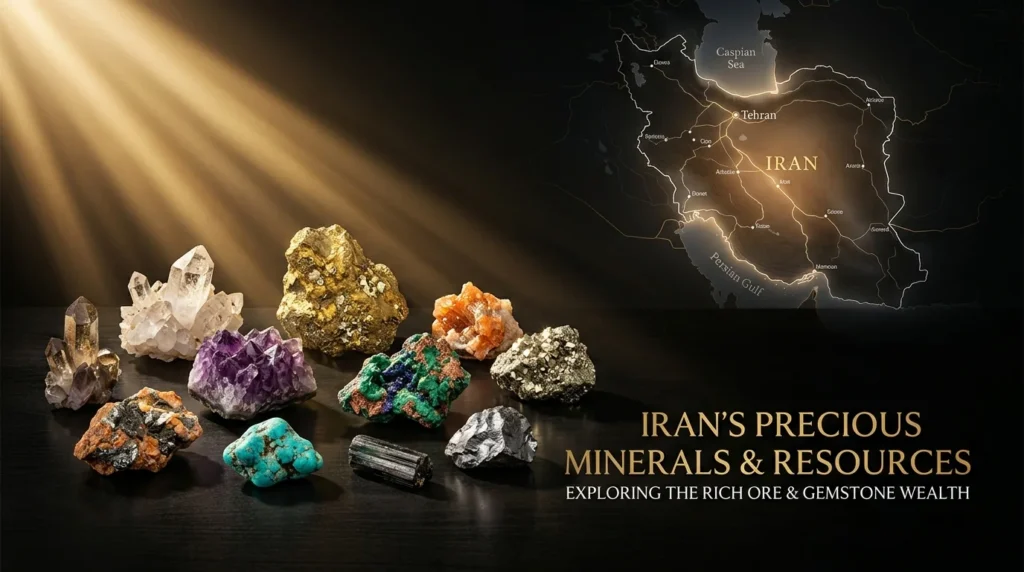
Iran holds a distinguished position in the global mineral ore export market, boasting one of the world’s richest mineral reserves. According to the Geological Survey of Iran, the country contains more than 68 known mineral types, with total reserves estimated at over 57 billion tons. This immense underground wealth has established mineral ore export as one of Iran’s most lucrative trade sectors.
Iran’s primary export markets in this field include China, India, the UAE, Turkey, and Iraq. The most in-demand export minerals are iron ore, copper, zinc, lead, aluminum (bauxite), chromite, manganese, and decorative stones such as marble, granite, and travertine.
Successful exports in this sector require thorough knowledge of regulations, permits, international standards, and logistics methods. This comprehensive guide walks through every step of exporting mineral ore from Iran.
Types of Exportable Mineral Ores from Iran
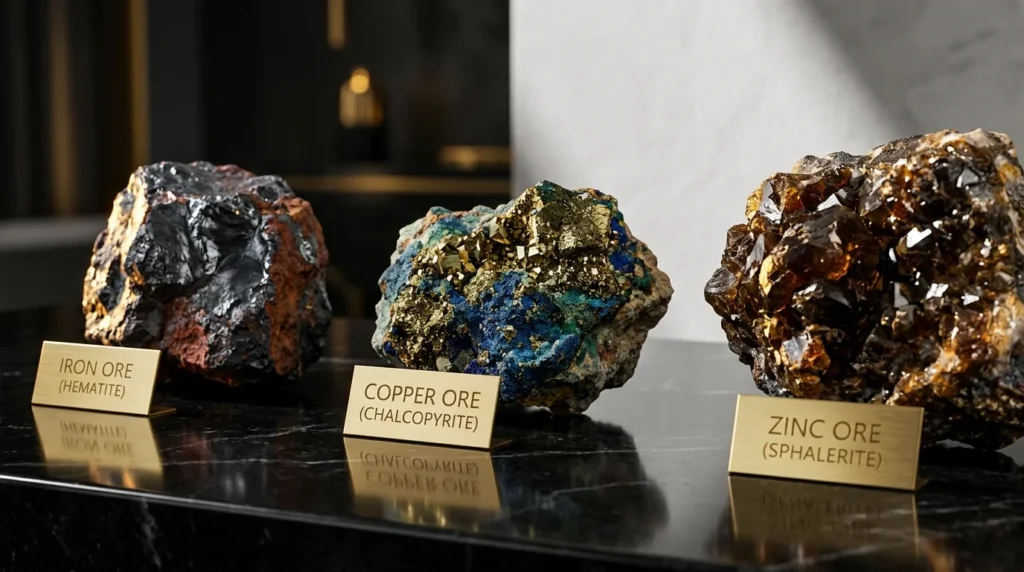
1. Iron Ore
Iran ranks among the Middle East’s largest iron ore exporters, with reserves exceeding 4 billion tons. Major mining sites include Gol-e-Gohar in Sirjan, Chadormalu, Sangan in Khaf, and Choghart. Iron ore with a grade above 60% is in high demand on world markets.
2. Copper Ore
Iran ranks among the Middle East’s largest iron ore exporters, with reserves exceeding 4 billion tons. Major mining sites include Gol-e-Gohar in Sirjan, Chadormalu, Sangan in Khaf, and Choghart. Iron ore with a grade above 60% is in high demand on world markets.
3. Decorative Stones
Iran is one of the world’s largest producers of decorative stone. Iranian travertine, marble, and granite enjoy loyal customers in European, Middle Eastern, and Asian markets owing to their superior quality and chromatic diversity.
4. Other Strategic Minerals
Chromite, barite, feldspar, kaolin, perlite, and diatomite round out Iran’s mineral export portfolio, all commanding solid demand in international markets.
Legal Steps and Obtaining Mineral Export Licenses
Step 1: Obtaining a Business Card (Trade License)
Any natural or legal person wishing to export must obtain a valid business card from the Iran Chamber of Commerce. Required documents include a business license, national ID, tax ID number, criminal record clearance, and proof of business premises.
Step 2: Registration in the Comprehensive Trade System
Registration on Iran’s Comprehensive Trade System (ntsw.ir) is mandatory for obtaining export permits. This platform consolidates all customs clearance procedures, customs declarations, and shipment tracking.

Step 3: Permit from the Ministry of Industry, Mine and Trade
The Ministry of Industry, Mine and Trade (MIMT / صمت) is the primary authority for issuing mineral export permits. Certain strategic minerals, such as high-grade iron ore, are subject to export restrictions or must undergo preliminary processing before export is permitted.
Step 4: Quality Assessment and Certificate of Analysis
Submission of a Certificate of Analysis from an accredited laboratory to determine grade and purity is mandatory. Laboratories accredited by Iran’s Standards Organization, or international labs such as SGS and Intertek, are commonly used.
Step 5: Customs Declaration
Export requires submission of a customs declaration, commercial invoice, bill of lading, certificate of origin, and packing list.
International Standards in Mineral Ore Export
Compliance with international standards is the cornerstone of success in global markets. The most relevant standards are:
- ISO 11536 for iron ore analysis
- ASTM for construction and decorative stones
- JORC Code for mineral reserve reporting
- REACH regulations for exports to the European Union
Non-compliance can result in shipment rejection, heavy penalties, and loss of the target market. Before entering into any contract with foreign buyers, it is essential to verify that the product conforms to the destination country’s standards.
Logistics and International Transportation of Mineral Ore
Transportation Methods
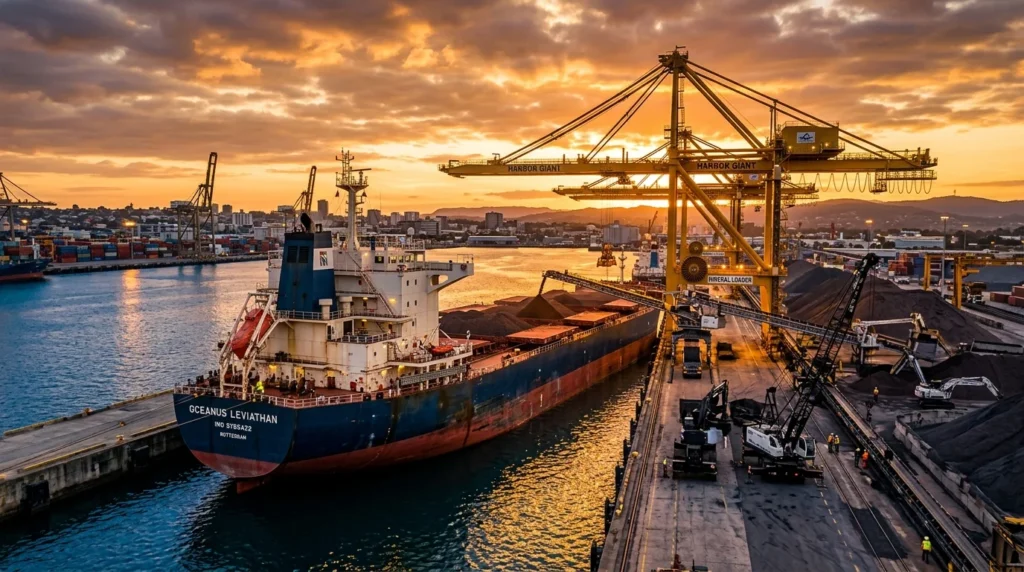
1. Sea Freight (Bulk Carrier): The most cost-effective method for large-volume cargo. The ports of Bandar Abbas, Imam Khomeini Port, and Chabahar are Iran’s most important export ports.
2. Rail Transport: Suitable for exports to neighboring countries such as Turkey, Armenia, and Central Asia.
3. Road Transport: Used for exports to adjacent countries including Iraq, Afghanistan, and Pakistan.
Packaging and Preparation
Mineral ore is typically exported in bulk, bagged, or jumbo bag format. The choice of packaging depends on the type of mineral, distance to destination, and buyer requirements.
Cargo Insurance
Obtaining Marine Cargo Insurance is essential to cover transportation risks. Common insurance clauses in mineral trade include ICC-A, ICC-B, and ICC-C.
Export Contracts and Incoterms
Selecting the correct delivery terms under Incoterms 2020 plays a pivotal role in export contracts. The most common Incoterms in mineral exports are:
- FOB (Free on Board): The seller is responsible until the goods are loaded onto the vessel.
- CIF (Cost, Insurance and Freight): The seller covers freight and insurance costs to the destination port.
- CFR (Cost and Freight): Like CIF but without insurance.
Key Tips for Success in Mineral Ore Export
1. Know Your Target Market: Conduct thorough market research before taking any action. Global mineral ore prices are tracked through indices such as Metal Bulletin and Fastmarkets.
2. Consistent Quality: Maintaining uniform quality across successive shipments builds lasting trust with buyers.
3. Export Branding: Introduce your Iranian mineral brand to international audiences at exhibitions such as Mining Indaba, MINExpo, and specialized Chinese trade fairs.
4. Leverage Support Organizations: The Trade Promotion Organization of Iran (TPO), Iran Chamber of Commerce, and the Export Guarantee Fund are among the most important institutions supporting exporters.
5. Currency Risk Management: Given exchange rate volatility, applying hedging strategies and selecting a stable currency in contracts is strongly recommended.
Conclusion
Exporting mineral ore from Iran represents an exceptional opportunity for economic actors, given the country’s abundant and diverse reserves. Success on this path requires comprehensive knowledge of export regulations, strict adherence to international standards, professional logistics management, and the cultivation of stable relationships with foreign buyers. With careful planning and full utilization of available support structures, Iran can consolidate its position as a premier mineral exporter in global markets.


No comments yet.