


Introduction to the Strategic Importance of Magnetite
Magnetite, with the chemical formula Fe3O4, is one of the most important and strategic iron-bearing minerals in the world’s advanced industries. This naturally magnetic mineral plays a key role in the supply chain of the steel industry, sponge iron production, magnetic industries, and clean energy technologies.
In 2026, the global magnetite market has faced significant transformations. Rising demand for green steel, the growth of the electric vehicle industry, and the expansion of wind turbines have all brought this valuable mineral into the spotlight of investors and industrial analysts. A precise understanding of this market’s trends is vital for those active in mining, steel, and energy sectors.
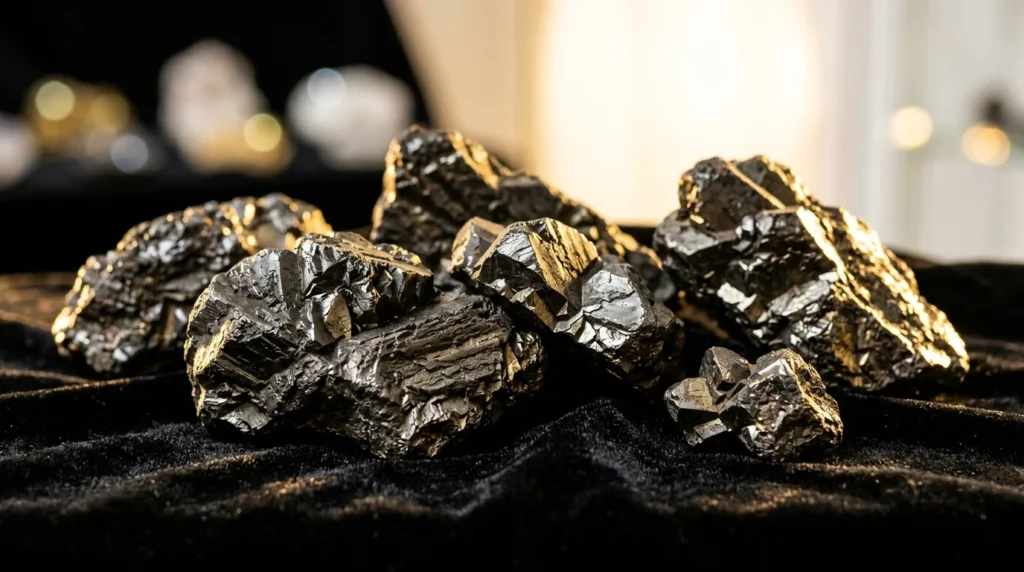
Structure and Technical Properties of Magnetite
Iron concentrate and pellet production: The main raw material of the steel industry. Magnetic industries: Production of industrial magnets and electronic components. Anti-corrosion coatings: Use in paint and coating industries. Water treatment and environment: Adsorption of pollutants using magnetic properties.
Key Industrial Applications
- Iron concentrate and pellet production: The main raw material of the steel industry.
- Magnetic industries: Production of industrial magnets and electronic components.
- Anti-corrosion coatings: Use in paint and coating industries.
- Water treatment and environment: Adsorption of pollutants using magnetic properties.
This variety of applications means that fluctuations in the steel market alone do not determine the price of magnetite, and technology-driven demand also becomes significant.
Supply and Demand Analysis in the 2026 Market
Supply Side
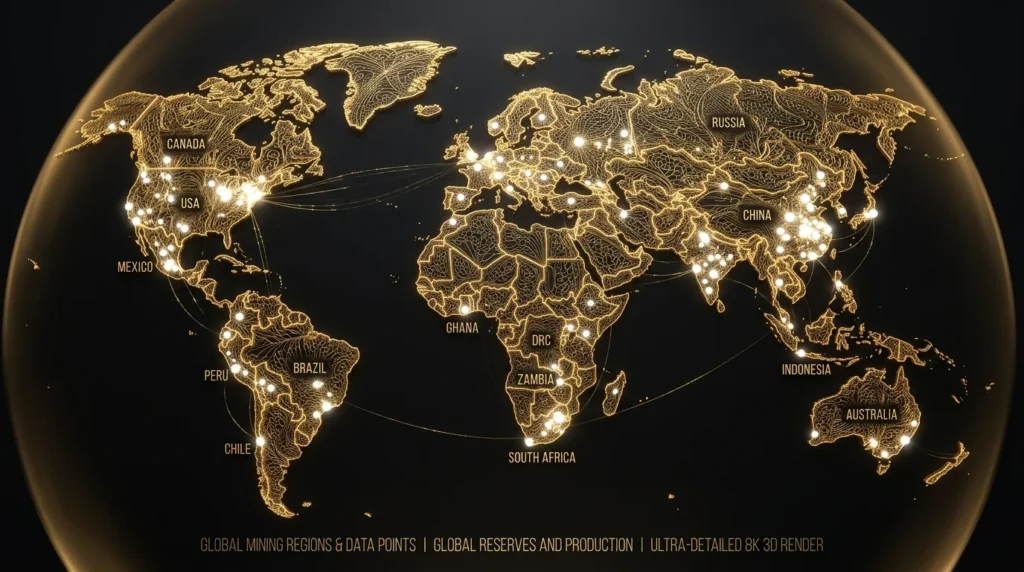
The largest producers of magnetite in the world include Australia, Russia, China, Brazil, and Iran. In 2026, new investments in Australian magnetite mines and the development of processing projects in the Middle East have increased global supply capacity. However, environmental challenges and high extraction costs have kept supply growth limited.
Demand Side
Global demand for magnetite is increasing at a significant compound annual growth rate (CAGR). The main driver of this growth is the global transition toward green steel and hydrogen-based direct reduction technology, which requires high-grade concentrates. Due to its high grade, magnetite is an ideal option for these modern processes.
Pricing Trends and Influencing Factors
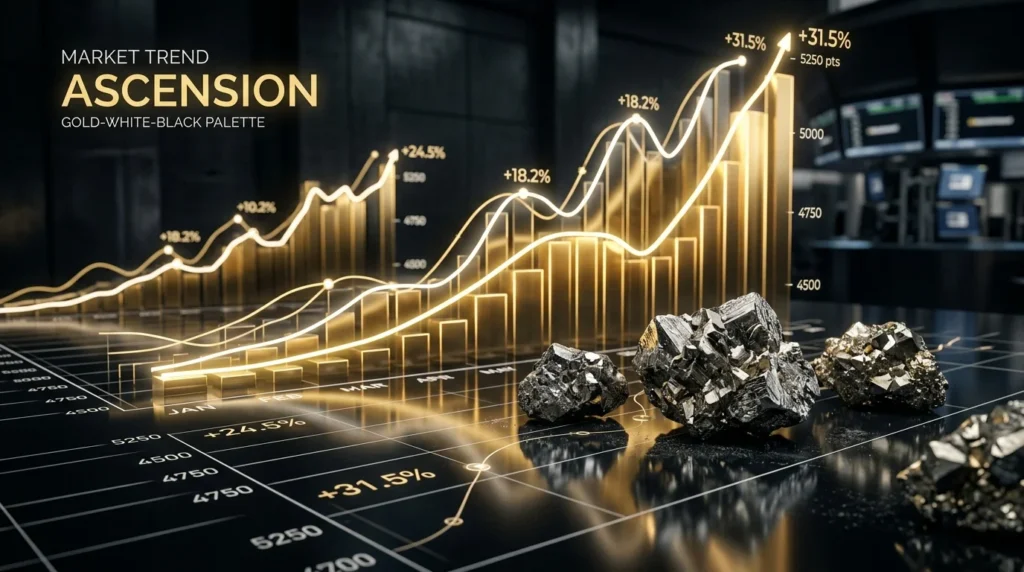
The price of magnetite in 2026 is influenced by several key factors. The relationship between the final price and iron grade can be simplified as follows:
where Pbase is the base price, Fe% is the iron grade of the concentrate, and α is the grade premium coefficient. The higher the grade, the greater the price premium applied to the product.
Main Price Volatility Factors
- China’s environmental policies and steel production restrictions.
- Sea freight costs and ship charter rates.
- Currency fluctuations and global energy prices.
- Green steel demand, which increases the premium on high-quality concentrates.
The Role of Green Steel and Renewable Energy
One of the most important drivers of the magnetite market in 2026 is the green steel revolution. In hydrogen-based direct reduction, hydrogen is used instead of coal, which requires very high-grade concentrates with low impurities. Magnetite, with its capacity for grade upgrading, is the top choice for this emerging industry.
In addition, the permanent magnet industry for wind turbines and electric vehicle motors has created secondary demand for magnetite derivatives. This synergy between the steel and clean energy industries has made the long-term outlook of the market highly positive.

Iran’s Position in the Global Magnetite Market
Iran, with its considerable magnetite iron ore reserves in regions such as Sangan, Chadormalu, and Golgohar, is one of the important regional players. In 2026, the development of processing and concentration units has created an opportunity to increase added value and reduce raw material exports.
Despite challenges such as export restrictions and energy supply, Iran’s potential to become a hub for high-quality concentrate production in the region is very high. Investment in advanced processing technologies can strengthen the country’s competitive position in the global value chain.
Outlook and Investment Opportunities
The global magnetite market is expected to experience an upward trend by the end of the 2020s. Smart investors have identified valuable opportunities in the following areas:
- High-grade processing projects for the green steel industry.
- Recycling technologies and extraction of magnetite from mining tailings.
- Permanent magnet supply chain for renewable energy.
Success in this market requires a deep understanding of technological trends, environmental policies, and the geopolitical dynamics of supply.
Conclusion
The global magnetite market in 2026 is at a strategic turning point. The transition to green steel and the growth of renewable energy have transformed this mineral from a simple raw material into a strategic asset of the 21st century. Industrial players and investors who grasp this trend early will be in a superior position to capitalize on the opportunities ahead.



No comments yet.